10-metre wide home designs
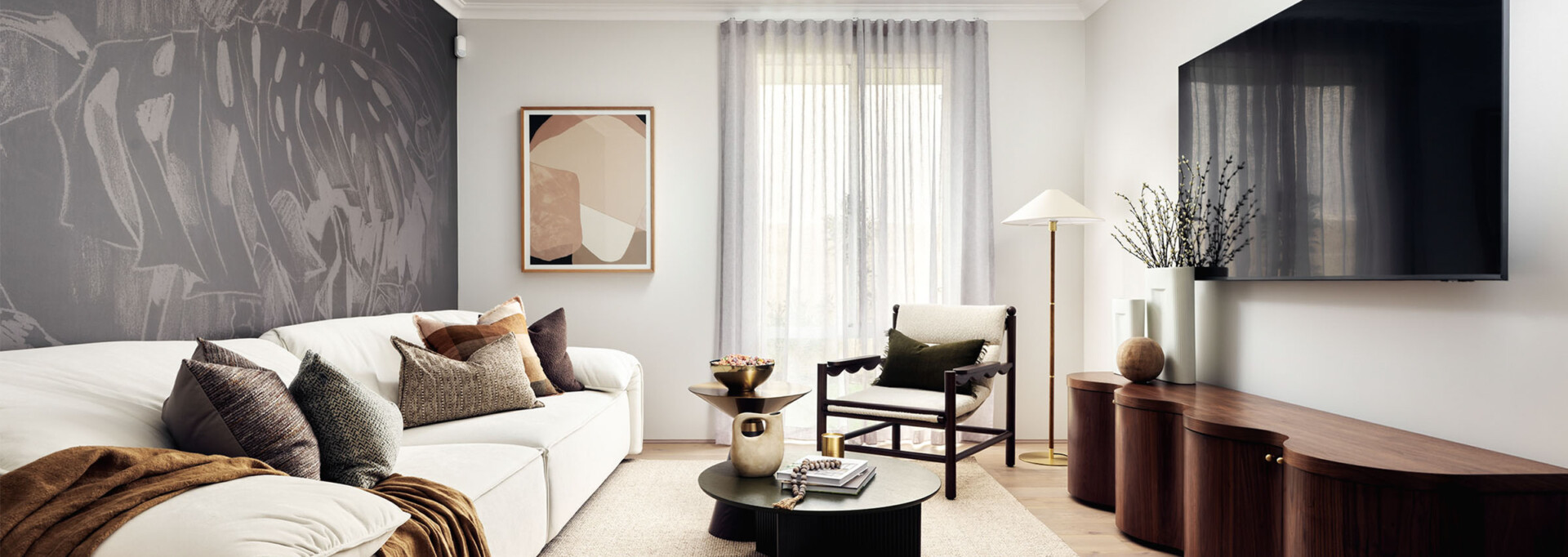
Embrace modern living with our 10-metre wide home designs, where every detail is curated to maximise space and natural light.
-
 Choice of front facade
-
 Air-conditioning with MyAir smart tablet included
-
 High ceilings, modern flooring & many more quality inclusions
-
 25-year Structural Warranty & 12-month Service Warranty
Frequently Asked Questions
- Sense of volume: Features such as high ceilings, voids, skylights and floor-to-ceiling windows bring a heightened sense of volume to a house design for a narrow lot, making it feel much bigger and airier than its slender proportions would suggest. Lots of natural light and a seamless indoor-outdoor connection are also must-haves.
- Maximised space: The aim is to eliminate ‘dead’ or wasted space as much as possible. Storage in the form of bookcases and built-in cabinetry can turn even the trickiest of spaces into something functional and stylish.
- Easements: There’s no need to be put off if you discover there’s a Water Corporation easement on the block you’re looking at. A fact of life when building in urban areas, an easement is simply a portion of land that the Water Corporation has legal permission to access for maintenance or repair. Easements can work in your favour though. Not only might the seller have priced the land more competitively because of it, but it’s often possible to build up to, or even over, an easement.
- Street appeal: Even if the garage has to go at the front, today’s narrow lot home designs deliver stunning facades with a striking mix of materials, tones and layers to make the home stand out from the crowd.
To ensure you keep site works costs down, opt for as level a block as possible. On first inspection some blocks look really flat, but it’s not until you get a survey done that you can identify the degree of slope a block actually has and the costs associated with fixing that slope. A good rule of thumb is to look at the neighbouring fence lines to see if they drop down at all. If the fence line is straight all the way along, chances are you do in fact have a flat block.
Tip: generally blocks in new land estates have the advantage of lower site works because the land developer has thoroughly prepared the land before they list the lots for sale and there is not typically huge slopes.
Sometimes a block can look really great when you look at it, but what you can’t see is what is happening underground. Especially in established suburbs, where people often subdivide to sell blocks (particularly narrow ones), the underground utilities can often be difficult to reach and have additional costs to run the services to your future home. For example, if you are in an area with overhead power lines, you will have to make sure a power dome is installed. In new estates, this likely won’t uncover many surprises as your main utilities are usually all set up and ready to go.
- Do you know what your block is zoned? Depending on the R-code zoning of your block, you may be restricted with what percentage of the block you may be able to build on, along with the minimum outdoor living space. These along with other council requirements are definitely worth looking into.
- Are there bus stops, pram ramps or street trees out the front of your home? There will be certain set back requirements for these that will impact your design.
- Is there retaining that exists at the front of your block? This will dictate which side your driveway will need to be on, which will then impact where your other rooms will be in the home.
- Which way is the block facing? You want to ensure that your living areas are getting the sun in winter and shade in summer to make it more energy efficient.
Depending on your council regulations, you can have a front-loaded or rear-loaded design. This just means your double garage is located at the front or back. Check in with your council, as local governments can implement their own restrictions on house size and design in order to preserve, as they see it, the amenity of the street or surrounding area.
Reasons we love Narrow Blocks
As well as offering space and lifestyle, a narrow lot home can also be an affordable option for many people in Perth, getting them into a sought-after location without the hefty price tag of the bigger blocks.
Read More
How to choose the right design
Choosing the right features for your home can be exciting—but also a bit overwhelming. We’ve put together a guide to help you understand what’s possible, what’s included, and how to balance your wish list with your lifestyle.
Read more
Why build with Dale Alcock Homes?
For over 35 years, Dale Alcock has guided the business and challenged the industry, always questioning what is needed to build the best places to live, work and grow, for all the days you call it home.
About Us